Multi-factor authentication rollout
For agency leaders
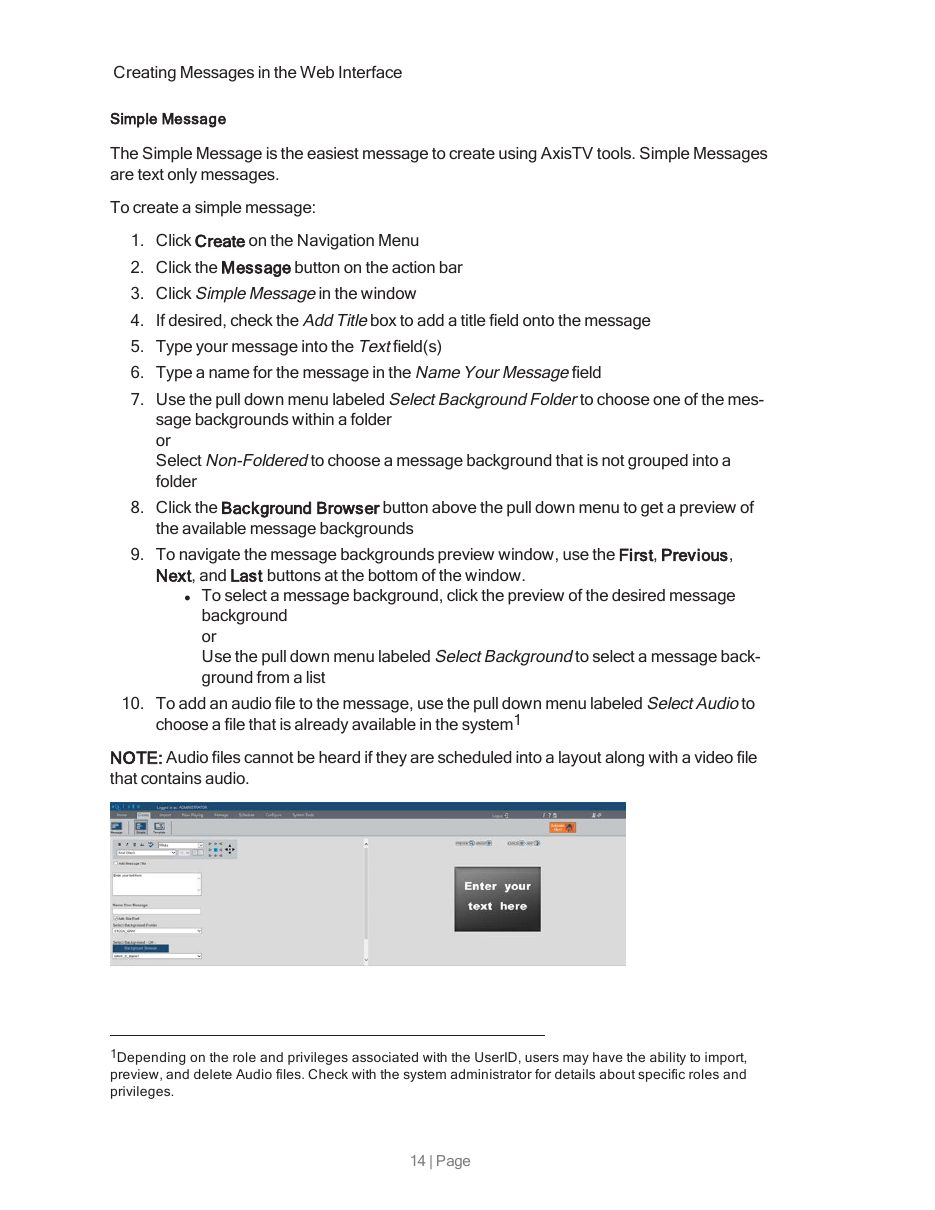
A newsletter explainer, "Data Security: Why MFA Matters." It starts with something everyone already uses: your bank card is a thing you have, and your PIN is a thing you know.
For every user, at the login screen
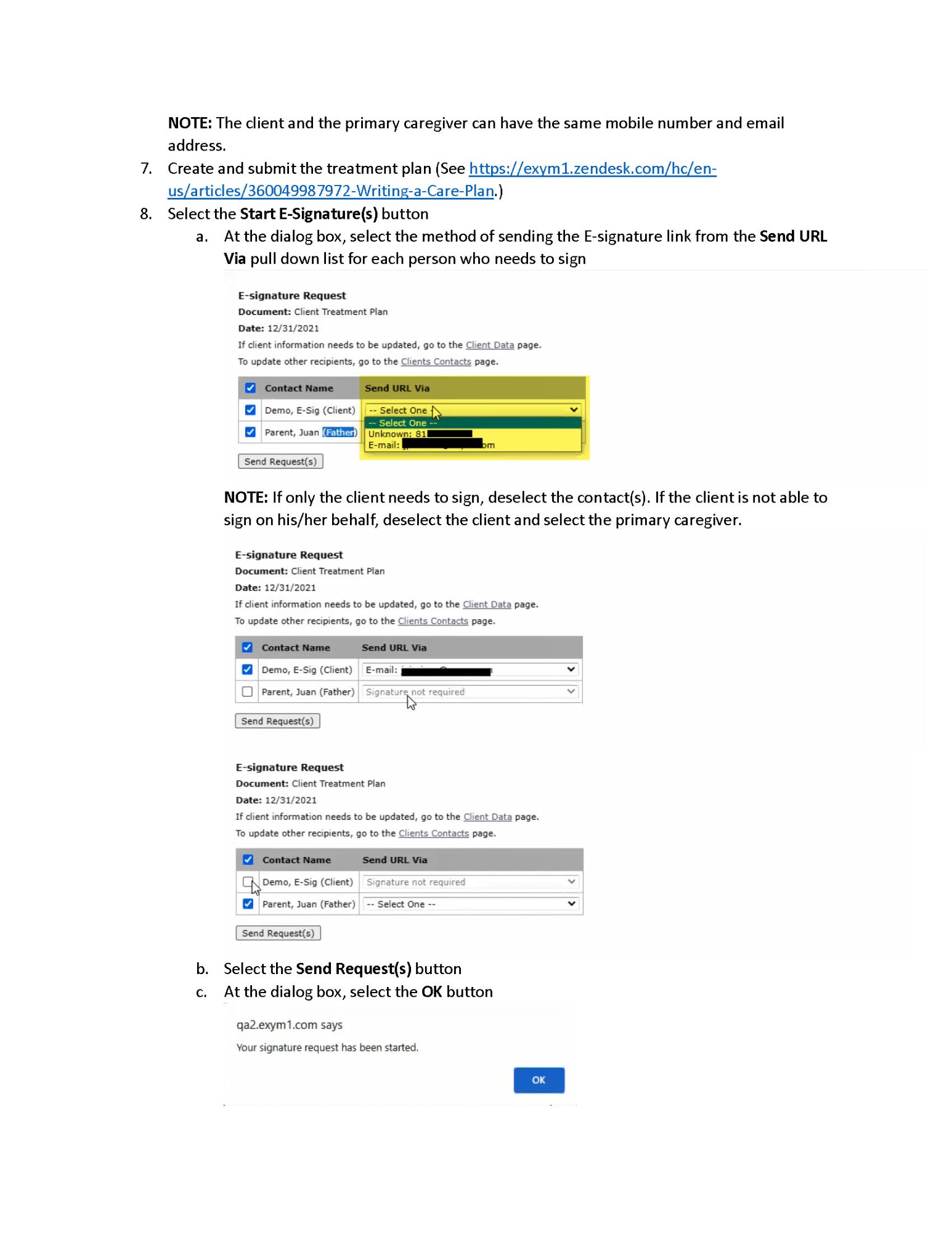
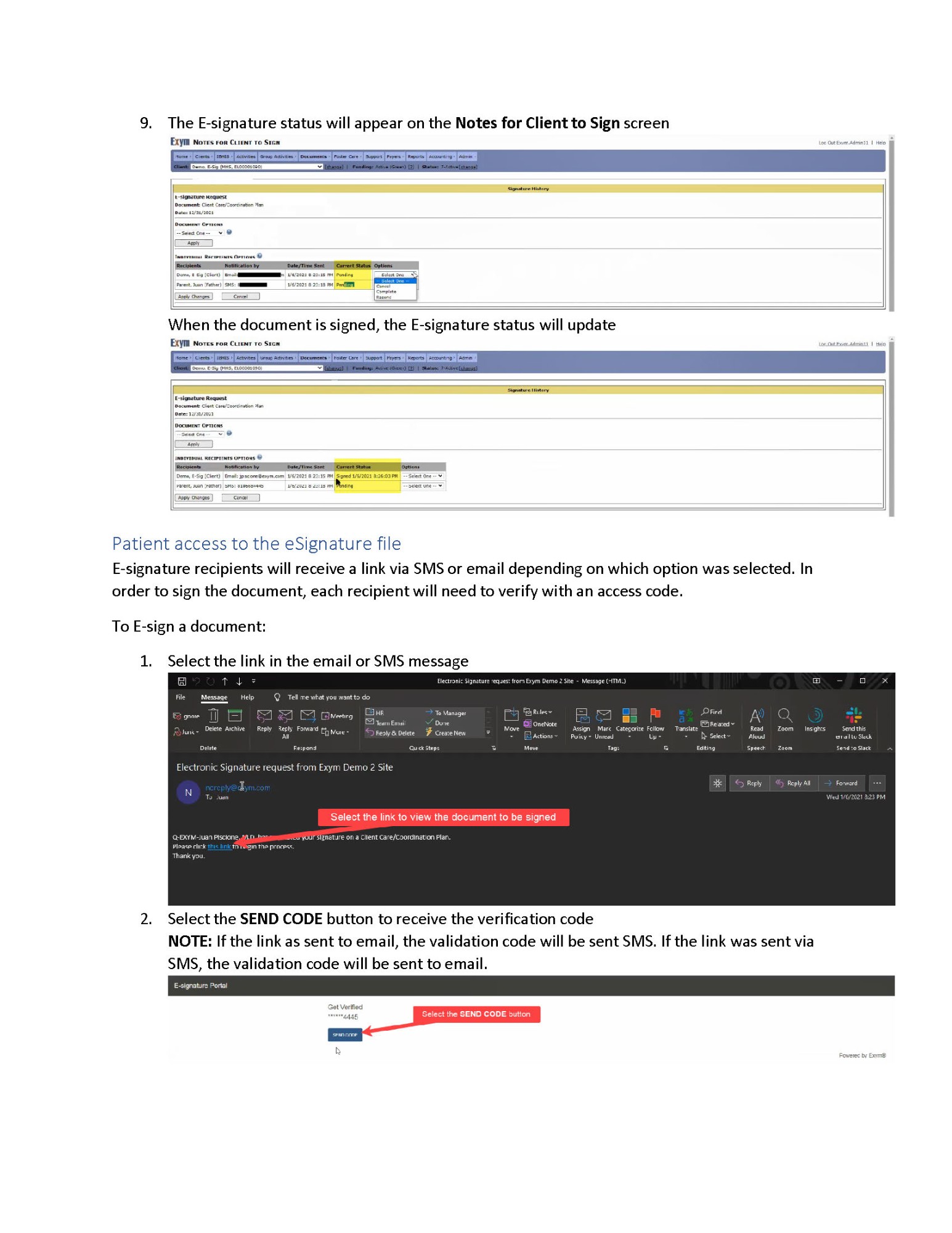
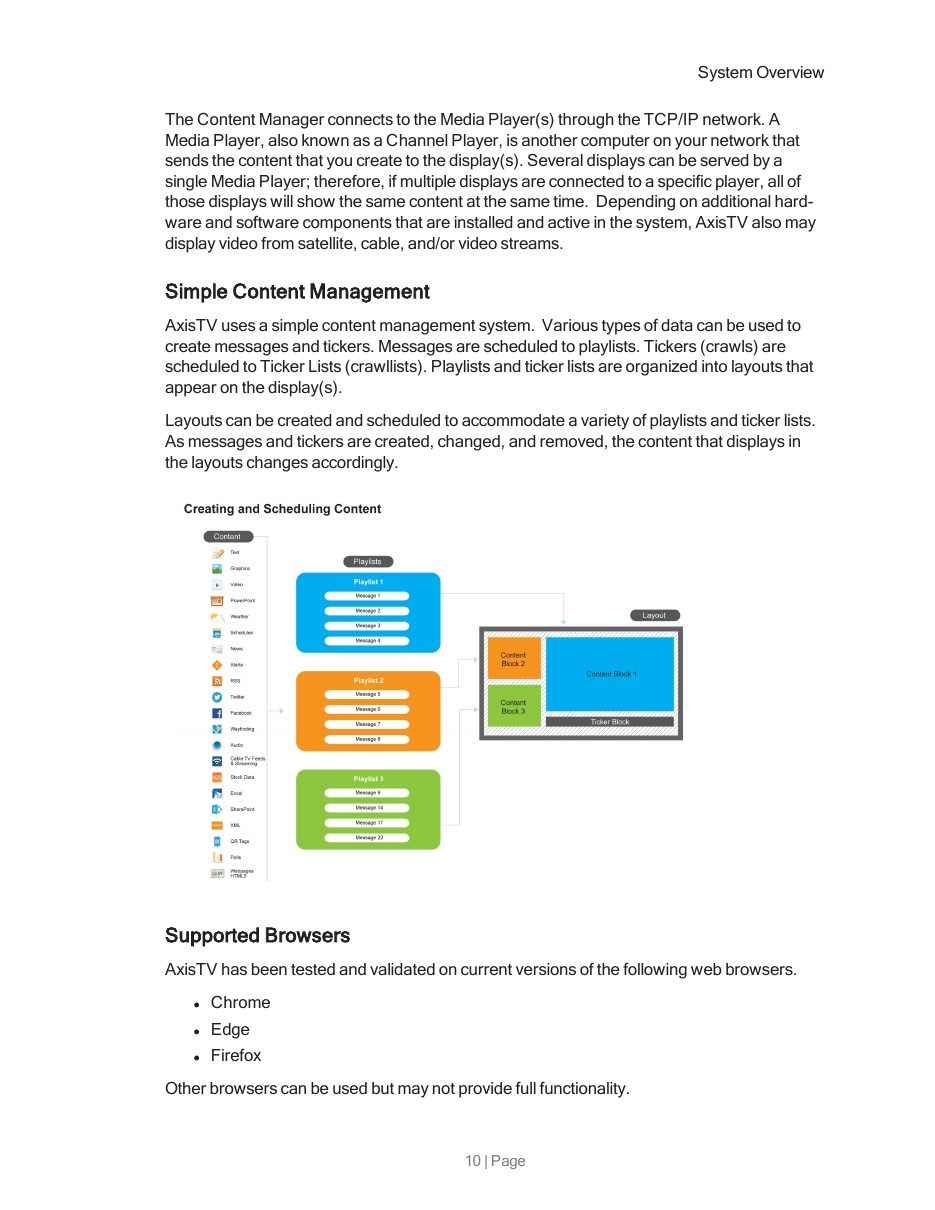
The verification email and a 95-character text message. Both tell people what to do and what happens if a code fails.
The result
adoption across more than 100 client accounts.
Read the article and the message copy
Data Security: Why MFA Matters
The traditional username and password used across the internet are slowly being phased out in favor of new, more secure authentication methods. Passwords are easy for bad actors to acquire. More than half of all people use five or fewer passwords across all their online accounts. Passwords can be stolen from a site, captured by malware, harvested through phishing campaigns, or often just guessed. Adding a second layer of authentication can reduce attacks by 99.9%, according to Microsoft.
Enter Multi-Factor Authentication (MFA). MFA, at its core, is using two or more credentials to access information. These authenticators fall into three broad categories:
- What you know, such as passwords and PINs,
- What you have, like cards, email access, and a phone with an app or a specific number for SMS, and
- What you are, which is mostly comprised of biometric data like fingerprints or facial scans.
Even your bank card uses MFA, a thing you have (your card) plus a thing you know (your PIN).
Excerpt · Exym client newsletter, January 2021
Verification email
Text message (95 characters)